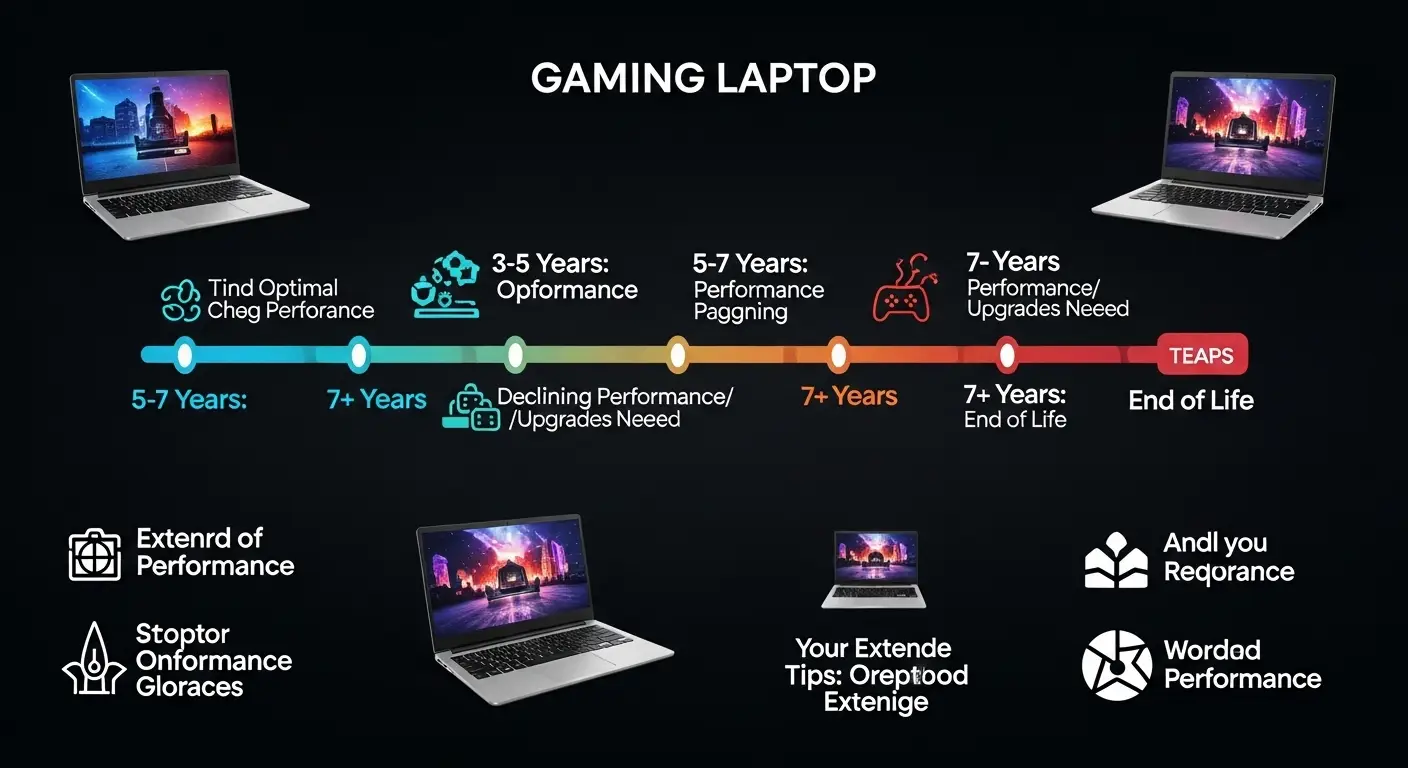
How Long Does a Gaming Laptop Last, you’ve come to the right place. Gaming laptops are powerful machines built to handle intense graphics and multitasking—but like any technology, they don’t last forever. Understanding their typical lifespan, what affects performance over time, and how to make them last longer can help you make smarter purchasing and maintenance decisions.
This guide breaks down expected longevity, real-world usage scenarios, key factors that shorten or extend lifespan, and practical tips to maximize performance—all written in a clear, professional, Google-friendly format optimized for indexing without keyword stuffing.
Typical Lifespan of a Gaming Laptop
Average Overall Lifespan
Most gaming laptops remain reliable and relevant for 3 to 5 years when used regularly for gaming, content creation, and daily tasks. Some high-end models can extend beyond five years with proper care and occasional upgrades.
However, the useful life of a gaming laptop depends on the balance between hardware capabilities and evolving software requirements.
Performance Longevity vs. Physical Lifespan
It helps to separate lifespan into two concepts:
- Performance Lifespan – How long the laptop can run modern games at acceptable settings.
- Physical Lifespan – How long the hardware functions without major failures.
A laptop may continue powering on long after it stops playing newer games smoothly.
What Determines How Long a Gaming Laptop Lasts?
Several factors influence lifespan and performance over time.
1. Hardware Quality and Components
Premium models with better CPUs, GPUs, fast SSDs, and good cooling systems tend to last longer and maintain performance.
2. Frequency and Type of Use
Heavy gaming, video editing, and multitasking stress components more than casual use, shortening effective lifespan.
3. Heat and Cooling Management
High operating temperatures accelerate wear on internal components. Laptops with better thermal designs typically outlast others in real-world usage.
4. Maintenance and Care
Regular cleaning, software updates, and proper battery habits can significantly slow down degradation.
Performance Expectations by Age
Year 1–2: Peak Performance
In the first couple of years, most gaming laptops handle new titles at high settings with smooth framerates. They’re also likely to remain responsive for creative work and high-resolution media.
Year 3–4: Gradual Slowdown
Games released during this period may push graphics hardware harder. You might need to reduce settings to maintain smooth gameplay. However, the laptop remains capable for many titles.
Year 5 and Beyond: Aging Hardware
By year five, even well-built laptops may struggle with the latest games at high settings. They can still serve well for older games, streaming, and everyday tasks, but performance will lag compared to new machines.
Common Signs a Gaming Laptop Is Wearing Out
Decreased Game Performance
Graphics stuttering, low framerates, and inability to run new titles smoothly are common signs.
Overheating or Fan Noise
If the laptop runs hotter and louder than before, it’s often due to dust buildup or aging thermal paste.
Battery Degradation
Gaming laptops typically drift down to 60–80% of their original battery capacity after a couple of years, reducing unplugged usage time.
Slow Boot and Load Times
Over time, background processes and heavier software can slow performance, especially on systems without SSDs.
Can You Extend a Gaming Laptop’s Useful Life?
Yes! With proper care and upgrades, you can maximize how long a gaming laptop lasts in practical terms.
Maintenance Tips to Prolong Lifespan
Clean Air Vents and Fans Regularly
Dust buildup restricts airflow and raises internal temperatures. Use compressed air or professional cleaning every 6–12 months.
Monitor Temperatures
Apps like hardware monitoring tools help you track CPU and GPU temps. If temperatures are consistently high, consider cooling pads or reapplying thermal paste.
Update Software and Drivers
Keeping drivers and operating systems up to date ensures efficiency and compatibility with newer games.
Manage Storage Space
Cluttered storage can slow down performance. Remove old files, use SSDs for faster load times, and consider external drives.
Upgrading to Extend Life
Gaming laptops are less upgrade-friendly than desktops, but some upgrades help:
Add More RAM
Upgrading from 8GB to 16GB or 32GB improves multitasking and future-proofing.
Replace HDD with SSD
If your laptop has a traditional hard drive, upgrading to an SSD dramatically boosts speed and responsiveness.
Swap Battery (If Supported)
Replacing worn batteries restores unplugged usage time.
Battery Life Expectations
Gaming laptops typically struggle to deliver long unplugged battery time due to powerful components.
Typical Battery Life
- Light use: 3–5 hours
- Gaming: 1–2 hours (often less)
Battery performance can deteriorate over time and is one of the first components to show wear.
Should You Replace Your Gaming Laptop?
Consider replacing when:
- It consistently fails to run games you want
- Hardware failures begin (e.g., overheating, crashes)
- Repair or upgrade costs approach the price of a new machine
Upgrading to a newer laptop with modern hardware is often more cost-effective once performance drops significantly.
How Usage Affects Lifespan
Heavy Gaming Usage
Running demanding games daily accelerates wear due to sustained high temperatures and GPU load.
Light or Mixed Use
Less intense use extends lifespan, especially if you avoid overheating and maintain the system well.
Content Creation Workloads
Tasks like video editing and 3D rendering also stress hardware but can be manageable with regular maintenance.
Despite Wear, Gaming Laptops Can Still Be Useful
Even after they no longer handle new titles smoothly at high settings, aging gaming laptops can still excel at:
- Older and indie games
- Streaming and media playback
- Office and school tasks
- Secondary workstation duties
Frequently Asked Questions
Do Gaming Laptops Last Longer Than Regular Laptops?
Generally, gaming laptops have stronger components and cooling systems, which can translate to longer usable lifespan—especially for performance tasks.
Does Regular Cleaning Really Help?
Yes. Cleaning vents and fans reduces heat stress and prevents premature hardware failure.
Can I Use a Gaming Laptop for 8+ Years?
Technically, yes, but performance will decline. You may need hardware upgrades or reduced graphics settings in later years.
Final Thoughts
So how long does a gaming laptop last? On average, a well-built gaming laptop delivers strong performance for about 3 to 5 years, with extended usefulness for casual tasks beyond that period. Lifespan is influenced by hardware quality, heat management, maintenance routines, and usage intensity.
By practicing good maintenance, making selective upgrades, and managing thermal performance, you can significantly extend both physical lifespan and gaming capacity.
If you’d like, I can also:
- Create a comparison of gaming laptop lifespan by brand and hardware tier
- Add quick maintenance checklists
- Provide tips to maximize resale value