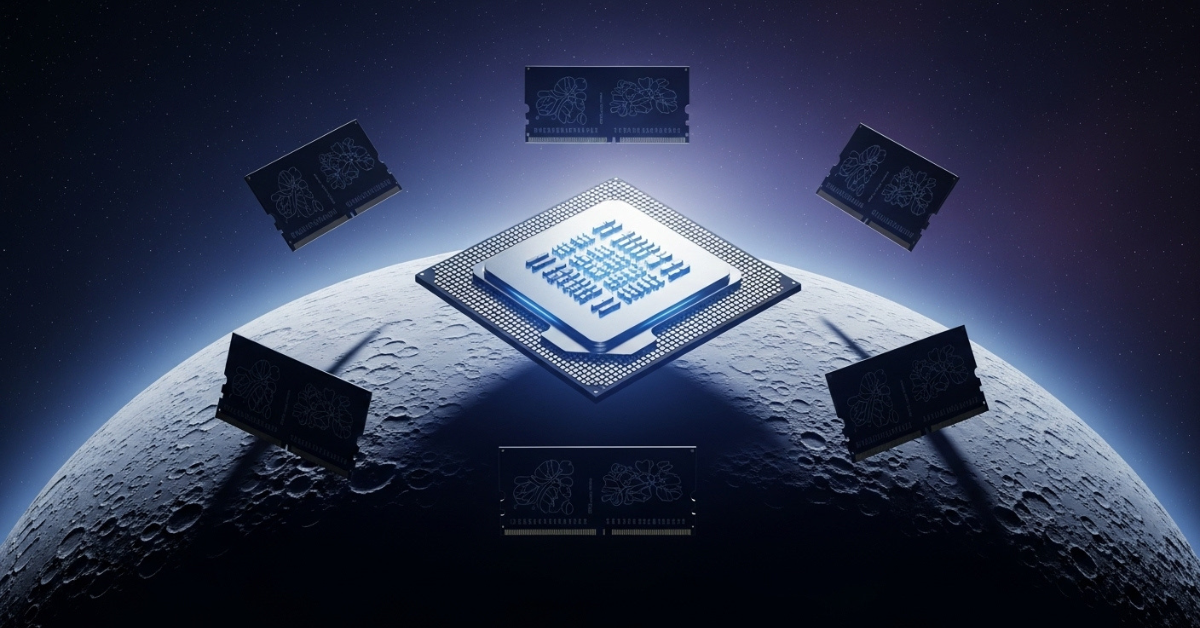
In the ever-shifting landscape of PC component supply, memory availability plays a pivotal role in how quickly new processors reach consumers and how well they perform once deployed. Intel’s upcoming Lunar Lake platform, designed to power future laptops and desktops relies on advanced memory technologies to deliver high performance and efficiency. Recent updates reveal that Intel has successfully secured the memory chips required for Lunar Lake production, minimizing the risk of supply disruptions and ensuring a smoother rollout.
This article explores what this development means for the broader PC ecosystem, how memory constraints have impacted hardware cycles in recent years, and why Intel’s proactive strategy could benefit both manufacturers and end users alike.
Lunar Lake and Its Memory Requirements
1. What Is Lunar Lake?
Lunar Lake represents Intel’s next step in CPU architecture, aimed at combining energy efficiency with strong performance across a range of devices — from ultraportable laptops to all-in-one desktops. It is expected to leverage modern memory protocols and tight integration between CPU and memory subsystems to boost responsiveness.
While official benchmarks and specs are still forthcoming, Lunar Lake is widely anticipated to improve performance per watt, multitasking efficiency, and support higher bandwidth memory modules.
2. Memory Compatibility and New Standards
Lunar Lake is expected to work best with the latest memory standards, including high-speed DDR5 and optimized memory interfaces that help reduce latency and increase throughput. These advancements are essential for next-generation applications, cloud workflows, and immersive experiences.
Ensuring access to sufficient memory chips means Lunar Lake devices can launch at volume without artificial pricing inflation due to memory scarcity.
How Intel Secured Memory Supply
➡️Early Procurement Strategy
Rather than waiting for general market allocation, Intel reportedly moved early to source its required memory chips. This “front of the line” approach means that its partners — including laptop OEMs and system integrators are less likely to face shortages or costly delays during production.
This strategy mirrors practices in other industries where early procurement is crucial for stability in volatile markets.
➡️Supplier Partnerships
Intel’s agreements with memory manufacturers likely include contractual guarantees that prioritize supply for specific platforms. These collaborations help memory producers plan capacity and shipment schedules, reducing risk for both parties.
Such partnerships also signal confidence to the broader industry, which can influence inventory forecasts and retailer expectations.
Impacts on PC Builders and Consumers
1. Smoother Launch Cycles
One of the biggest frustrations with new CPU launches in recent years has been uneven availability. Memory constraints can exacerbate this, leading to delayed shipments and stock shortages. Intel’s proactive memory strategy helps ensure that Lunar Lake devices can launch smoothly and remain in stock during peak demand.
2. Potential Price Stability
When memory supply is constrained, prices often rise. By securing memory early, Intel helps protect OEMs from sudden cost increases that could translate to higher retail prices. This is good news for consumers seeking high performance without a premium markup driven by supply issues.
3. Better Performance Consistency
From a technical perspective, having access to the right memory chips, not just an ample suppl,y means devices based on Lunar Lake can be engineered to hit target performance levels. Consistent memory quality and availability reduce the need for sub-optimal configurations that compromise speed or reliability.
Lessons From Past Memory Market Challenges
Historical Supply Fluctuations
The memory market has seen cycles of tight supply followed by price drops. These swings often impact the availability of entire systems, not just RAM. During times of scarcity, manufacturers are forced to adjust production schedules or redesign systems around available components.
Manufacturers that anticipate these shifts can maintain a competitive edge by avoiding bottlenecks.
Platform Interruptions Due to Memory Shortages
In previous hardware cycles, shortages in memory or delays in transitioning to newer standards have slowed product launches, hindered performance optimization, and caused ripple effects across the PC industry. Leading with early procurement moves helps future-proof major platform releases like Lunar Lake.
Broader Industry Implications
➡️OEM and Retailer Confidence
Manufacturers and retailers can plan stock levels and marketing strategies more reliably when memory constraints are minimized. This means better availability at launch, fewer backorders, and a more predictable market.
Retailers may also be able to offer more competitive pricing when input costs are stabilized.
➡️Competitive Pressure on Rivals
By securing memory early, Intel potentially influences how rivals approach their own procurement strategies. This could encourage industrywide shifts toward more proactive sourcing, particularly as memory remains a key performance driver.
Future Outlook for Memory and CPUs
Continued Memory Innovation
As DDR5 evolves and future memory standards emerge, collaboration between CPU designers and memory manufacturers will become even more important. Efficient memory support is integral to high-bandwidth tasks like real-time AI, large dataset processing, and immersive gaming.
Memory and AI Workloads
Advanced memory architectures also play a role in handling AI workloads at the edge and client levels. Optimization at the memory interface helps reduce latency and improve data throughput, key metrics for modern applications.
Intel’s early commitment to securing memory resources reflects an understanding of these trends.
Frequently Asked Questions (FAQs)
Conclusion
Securing sufficient memory chips ahead of time is more than a logistical detail — it’s a strategic move that strengthens the foundation of future PC platforms like Lunar Lake. By planning ahead, Intel not only mitigates supply risk but also supports a smoother rollout for OEM partners, retailers, and ultimately, end users.
Memory availability affects pricing, performance optimization, product availability, and long-term platform relevance. As PCs continue to evolve, collaboration across component ecosystems — including CPUs, memory, and motherboards — will be essential for successful product cycles.
For PC builders, gamers, and professionals alike, this development signals increased confidence that upcoming platforms will launch with fewer supply chain hurdles, better performance consistency, and potentially improved value at retail. The industry’s forward momentum depends on these kinds of foundational assurances — and securing memory supply is a big step in the right direction.