The gaming mouse market is entering a new phase of innovation as manufacturers push beyond traditional plastic designs. The introduction of carbon fiber and magnesium alloy gaming mice marks a significant leap forward in performance, durability, and weight reduction. These advanced materials are no longer reserved for aerospace or high-end automotive engineering they are now shaping the future of competitive gaming hardware.
For esports professionals and serious PC gamers, every gram matters. A lighter mouse improves reaction time, reduces fatigue, and enhances precision. This article explores why carbon fiber and magnesium alloy gaming mice are gaining momentum, how they improve real-world gameplay, and what this shift means for the future of gaming peripherals.
Why Lightweight Gaming Mice Matter More Than Ever
Competitive gaming has evolved rapidly, and hardware expectations have followed. A mouse is no longer just an input device it is an extension of a player’s reflexes.
➡️Reduced Fatigue During Long Sessions
Lighter mice reduce strain on the wrist and forearm, especially during extended gaming or training sessions. This allows players to maintain consistent performance without discomfort.
➡️Faster Flicks and Precision Control
Lower mass enables quicker directional changes, smoother tracking, and more accurate flick shots, particularly in fast-paced FPS and esports titles.
➡️Improved Consistency
With less resistance and drag, players can rely on muscle memory more effectively, resulting in improved accuracy and control over time.
The Rise of Carbon Fiber in Gaming Mice
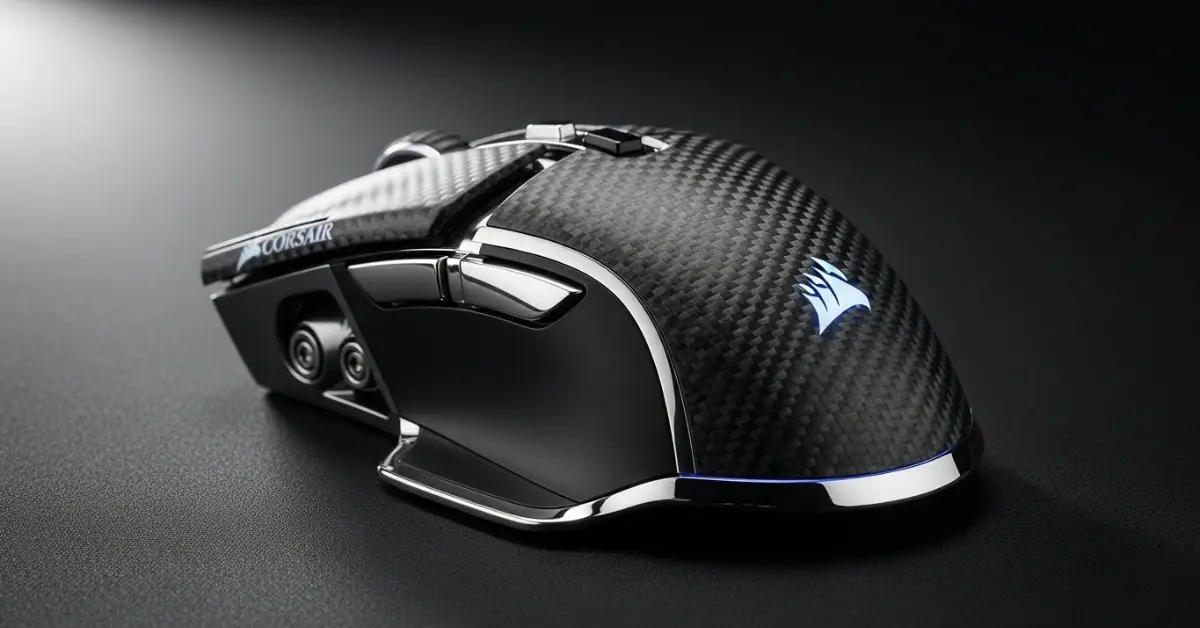
Carbon fiber has long been valued for its exceptional strength-to-weight ratio. Its introduction into gaming mice represents a major upgrade over traditional materials.
.
What Makes Carbon Fiber Special?
Carbon fiber is composed of tightly woven strands that offer extreme rigidity while remaining incredibly lightweight. This allows manufacturers to reduce weight without compromising durability.
➡️Key Advantages of Carbon Fiber Shells
- Ultra-light construction
- High resistance to flexing and deformation
- Premium feel with long-term durability
- Improved structural integrity compared to plastic
➡️Performance Impact in Competitive Gaming
Carbon fiber shells allow gaming mice to achieve ultra-low weights while maintaining a solid, stable frame. This leads to consistent sensor positioning and reliable click response, even under intense use.
Magnesium Alloy: Strength Without the Weight
Magnesium alloy is another advanced material gaining popularity in gaming mouse design. It offers a balance of strength, lightness, and heat dissipation.
1. Why Magnesium Alloy Is Ideal for Gaming Hardware
Magnesium is lighter than aluminum while remaining highly durable. Its natural rigidity allows for thinner frames without sacrificing structural integrity.
Benefits of Magnesium Alloy Mice
- Lightweight yet robust construction
- Enhanced ventilation for cooler operation
- Premium metallic feel
- Improved longevity under heavy use
Open-Frame Designs and Airflow
Many magnesium alloy mice feature open or lattice designs, which further reduce weight and improve airflow. This helps keep hands cooler during intense gaming sessions.
Carbon Fiber vs Magnesium Alloy: Which Is Better?
Both materials deliver outstanding performance, but they cater to slightly different preferences.
1. Carbon Fiber Advantages
- Extremely light
- Solid shell design
- Clean, minimalist aesthetic
2. Magnesium Alloy Advantages
- Exceptional durability
- Enhanced airflow
- Industrial, performance-focused design
3. Choosing the Right Material
Players who prefer a solid shell and maximum weight reduction may lean toward carbon fiber. Those who value airflow, rigidity, and a unique design may prefer magnesium alloy. Ultimately, both materials represent a major step forward from traditional plastic mice.
Sensor Performance and Precision Tracking
Advanced materials alone don’t define a great gaming mouse. High-end models pair lightweight shells with cutting-edge sensors for flawless tracking.
➡️Modern Optical Sensors
Today’s premium gaming mice feature sensors with:
- High DPI accuracy
- Zero hardware acceleration
- Pixel-perfect tracking
- Consistent performance across surfaces
➡️Stability and Sensor Alignment
Rigid materials like carbon fiber and magnesium alloy help maintain precise sensor alignment, ensuring consistent performance even during aggressive movements.
Click Response and Button Engineering
Competitive gamers rely on fast, reliable clicks. Advanced materials enhance button feel and longevity.
1. Improved Switch Stability
Stiffer shells reduce flex, leading to more consistent actuation and faster click response.
2. Durability for Competitive Use
High-end switches combined with rigid frames ensure millions of clicks without degradation, making these mice ideal for esports and long-term use.
Ergonomics and Comfort Considerations
Lightweight doesn’t mean uncomfortable. Modern designs prioritize ergonomics alongside performance.
Balanced Weight Distribution
Advanced materials allow engineers to fine-tune weight balance, ensuring the mouse feels natural in hand regardless of grip style.
Grip Styles Supported
- Palm grip
- Claw grip
- Fingertip grip
Ultra-light mice particularly benefit fingertip and claw grip users, where rapid movement is essential.
Wireless Performance Without Compromise
Modern lightweight gaming mice often feature wireless connectivity without sacrificing responsiveness.
➡️Low-Latency Wireless Technology
High-performance wireless systems now match or exceed wired responsiveness, delivering stable connections with minimal input delay.
➡️Battery Efficiency
Reduced weight and efficient components allow for long battery life, even with high polling rates and RGB disabled.
Build Quality and Longevity
Advanced materials significantly improve long-term durability.
1. Resistance to Wear and Tear
Carbon fiber resists cracking, while magnesium alloy handles repeated stress with ease, making both ideal for competitive environments.
2. Long-Term Investment
Although premium materials may increase cost, they also extend lifespan, offering better value over time for serious gamers.
Who Should Consider These Gaming Mice?
Competitive and Esports Players
Players who demand maximum performance, speed, and consistency will benefit the most.
Enthusiasts and Hardware Aficionados
Gamers who appreciate premium materials and cutting-edge engineering will find these mice highly appealing.
Long-Session Gamers
Reduced fatigue and improved comfort make lightweight mice ideal for extended play sessions.
The Future of Gaming Mouse Design
The shift toward carbon fiber and magnesium alloy signals a broader trend in gaming hardware innovation.
Materials Will Continue to Evolve
As manufacturing techniques improve, advanced materials will become more accessible across a wider range of products.
Performance-First Design Philosophy
Future gaming mice will focus even more on weight optimization, precision engineering, and user comfort.
Conclusion
Carbon fiber and magnesium alloy gaming mice represent a major leap forward in gaming peripheral design. By combining ultra-lightweight construction with exceptional durability and precision, these materials redefine what gamers can expect from high-performance mice.
Carbon fiber and magnesium alloy gaming mice represent a major leap forward in gaming peripheral design. By combining ultra-lightweight construction with exceptional durability and precision, these materials redefine what gamers can expect from high-performance mice.